Straight Answers for Commercial Roofing Projects in Quincy
Commercial roofing decisions in Quincy often involve balancing urgent issues like leaks or storm damage with long-term planning and budget constraints. Between Mississippi River weather patterns, seasonal temperature swings, heavy rain events, and winter snow loads, commercial roof systems in the Quincy area take significant stress year after year.
Big River Roofing & Coating LLC provides Quincy commercial roofing services for warehouses, manufacturing plants, schools, healthcare facilities, retail centers, and agricultural buildings. As a family-owned commercial roofing contractor serving Illinois and Iowa, we are known for straight answers and proven results. We document what we find, explain options in plain language, and help you choose solutions that align with how your building is used—not just what is easiest to sell.
Commercial Roofing in Quincy: Built for Mississippi River Climate & Tri-State Industry
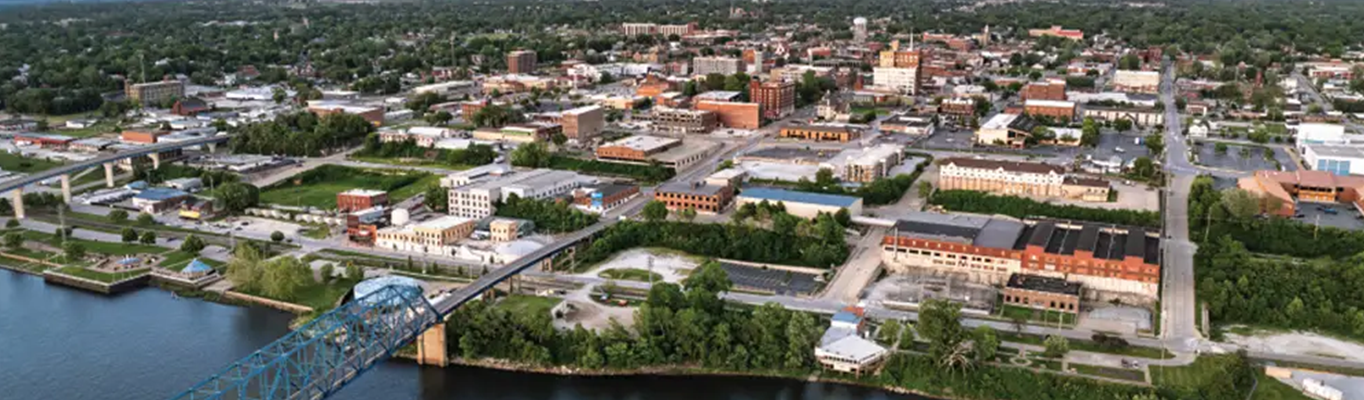
Known as the “Gem City,” Quincy sits on the bluffs overlooking the Mississippi River and serves as the county seat of Adams County. As a commercial hub for a tri-state region spanning Illinois, Missouri, and Iowa, the city supports healthcare systems, advanced manufacturing, agribusiness operations, logistics facilities, and educational institutions.
This riverfront location brings both economic strength and environmental stress to commercial roof systems.
Climate-Driven Structural Stress

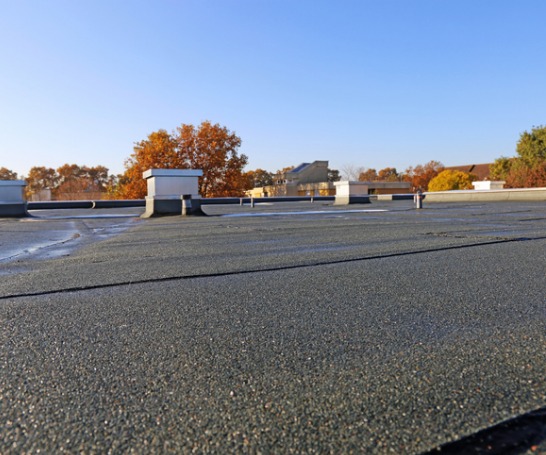
Winter temperatures frequently fluctuate above and below freezing. Moisture entering small cracks expands when frozen, widening seams and stressing flashing on flat and low-slope roofs.

Proximity to the Mississippi River increases local humidity levels, raising the risk of internal condensation within roofing assemblies during colder months.

Quincy receives approximately 36–38 inches of annual precipitation, with late spring often being the wettest period. Poor drainage on flat roofs can lead to standing water and membrane degradation.

Average annual snowfall ranges from 17–21 inches. Ice buildup around drains and scuppers can trap meltwater and increase structural strain.

Spring and summer thunderstorms bring high winds and hail capable of lifting flashing and puncturing single-ply membranes like TPO or EPDM.
Industrial & Institutional Roofing Considerations
Quincy’s economy is anchored by healthcare, manufacturing, transportation, and agribusiness.
- Healthcare Facilities: Blessing Health System and Quincy Medical Group operate large, climate-controlled facilities where insulation performance and energy efficiency are critical.
- Manufacturing & Industrial Sites: Employers like Knapheide Manufacturing and Titan International operate expansive facilities that often require reinforced membrane or metal roofing systems.
- Agribusiness & Food Processing: Regional agricultural operations create temperature differentials that can increase condensation risks.
- Logistics & Distribution: Quincy’s river access, rail connectivity, and highway corridors support warehouse and distribution facilities that depend on durable, low-maintenance roofing systems.
Commercial roofing in Quincy must be engineered for durability under repeated thermal movement, high humidity, and storm-driven stress common across West Central Illinois.
Areas We Serve Around Quincy
Quincy is a core service area for Big River Roofing, and our crews regularly support commercial facilities throughout Adams County and the surrounding tri-state region.
Our service area includes:
- Quincy (Downtown, riverfront districts, and surrounding commercial corridors)
- Adams County
- Mendon
- Camp Point
- Liberty
- Fowler
- Surrounding West Central Illinois communities
- Nearby Missouri and Iowa communities within the tri-state service region
Because many buildings in the area support healthcare, manufacturing, logistics, education, and retail operations, we coordinate closely with facility managers to minimize disruption and maintain operational continuity.
Commercial Roofing Services We Offer in Quincy
Big River Roofing & Coating LLC delivers commercial roofing services in Quincy designed for durability, energy performance, and long-term value in river-influenced Midwest conditions.
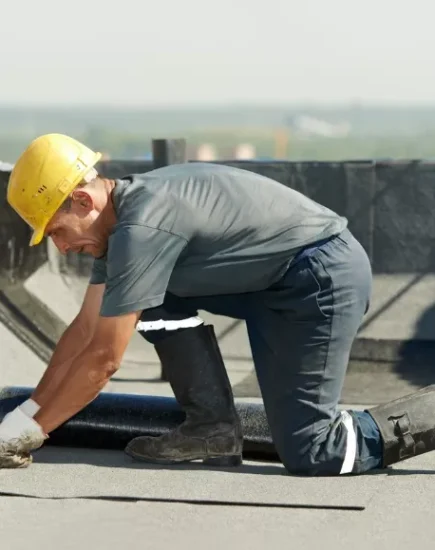

Focused solutions for active leaks, failed seams, drainage issues, and storm damage on metal, TPO, EPDM, and PVC roofs. Freeze–thaw movement, wind-driven rain, and river humidity in the Quincy area frequently expose vulnerable flashing, penetrations, and seam transitions—especially on aging flat roof systems.
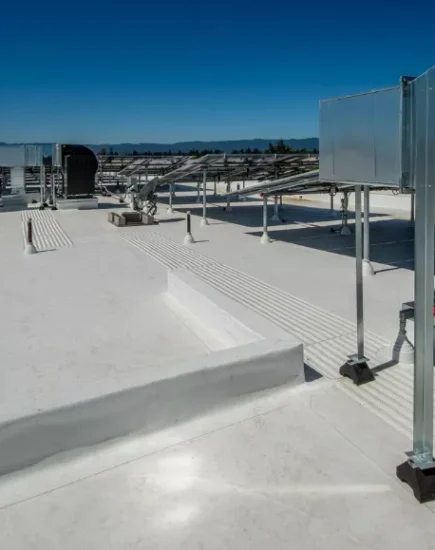

Seamless, waterproof coatings that extend roof life, reduce heat absorption, and delay the need for full replacement. Reflective coating systems can help offset summer humidity and cooling loads for healthcare facilities, retail centers, and distribution buildings throughout Adams County.
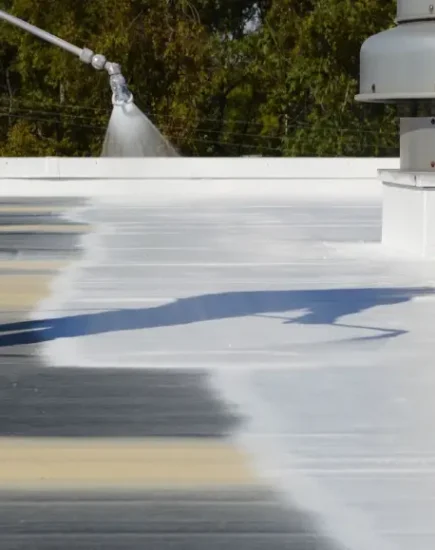

Insulated, seamless roofing systems that improve energy efficiency while eliminating common leak points—well-suited for large warehouse, logistics, and manufacturing facilities that require continuous insulation and minimal downtime during installation.
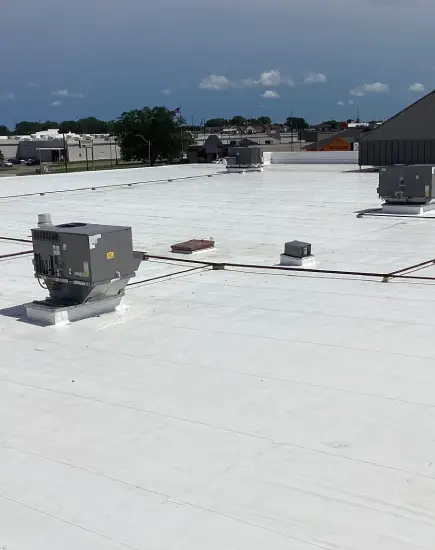

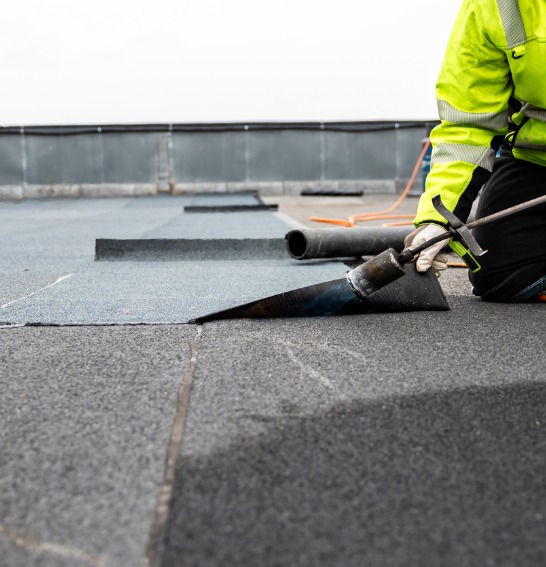
Installation and restoration of TPO roofing, EPDM roofing, PVC, and modified bitumen roofing systems selected for Quincy’s freeze–thaw exposure, storm activity, and river-driven humidity.
- TPO Roofing: Heat-welded seams resist separation during repeated winter temperature swings and offer high reflectivity during humid summers.
- EPDM Roofing: Flexible performance in cold temperatures helps reduce cracking during freeze–thaw cycles.
- PVC Roofing: Strong chemical resistance ideal for food processing, healthcare, and industrial facilities.
- Modified Bitumen Roofing: Multi-layer strength suited for high-traffic roofs and older commercial structures.
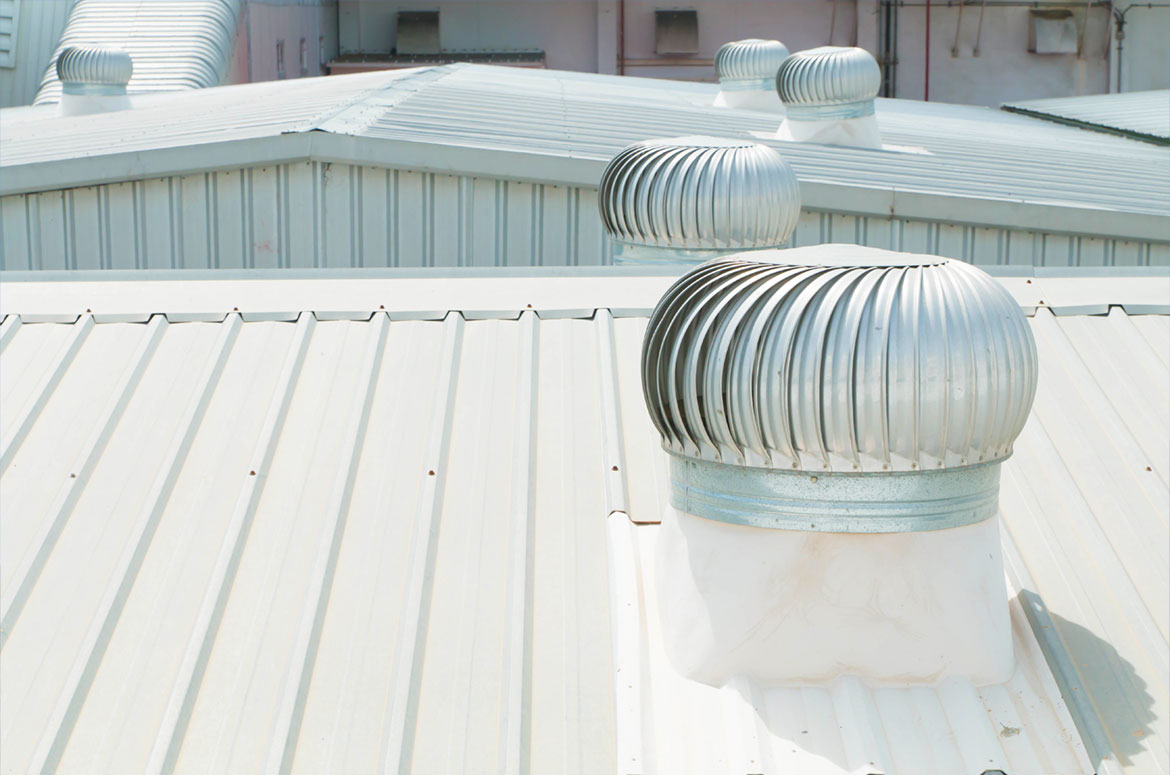

Repair and installation of standing seam and screw-down metal roofs for industrial, agricultural, and institutional buildings. Metal systems naturally shed snow and reduce ice dam risk while offering long-term durability in open river corridor wind conditions.
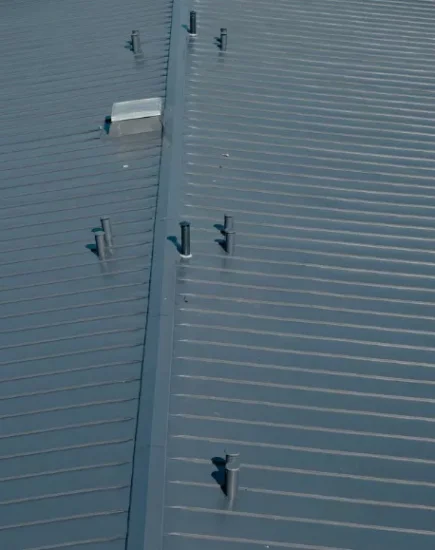

Complete tear-offs and rebuilds when an existing roof has reached the end of its service life. Replacement projects in Quincy often include insulation upgrades, drainage improvements, and fastening enhancements to meet evolving Illinois energy code requirements and structural demands.
Each recommendation is based on roof condition, building use, and long-term performance—not a one-size-fits-all approach.
Why Quincy Businesses Choose Big River Roofing
Commercial property owners in Quincy rely on Big River Roofing because of how we approach projects from start to finish.
- Documented, Transparent Process: We provide photo documentation and honest updates at every stage of the project.
- Practical, Budget-Aware Guidance: We explain the difference between short-term fixes and long-term investments so you can make informed decisions.
- Regional Roofing Expertise: Deep experience with Illinois river valley weather patterns and their impact on commercial roof systems.
- Safety & Compliance Focused: Work performed in alignment with NRCA standards and Illinois building code requirements.
- Family-Owned Accountability: Clear communication, realistic timelines, and pride in workmanship on every job.
Frequently Asked Questions About Commercial Roofing in Quincy
How does the Mississippi River climate affect commercial roofs in Quincy?
How much snowfall and rainfall should Quincy commercial roofs be designed to handle?
Are TPO and EPDM good options for Quincy’s climate?
Do you work on occupied commercial buildings in Quincy?
How often should commercial roofs in Quincy be inspected?
Request Commercial Roofing Services in Quincy, IL
When roofing decisions impact operational continuity, regulatory compliance, and long-term capital planning, you need more than a contractor—you need a regional commercial roofing partner who understands Quincy’s Mississippi River climate and tri-state industrial landscape.
Big River Roofing & Coating LLC supports businesses across Adams County and the surrounding tri-state region with documented inspections, practical recommendations, and roofing systems engineered for river valley conditions. From emergency storm response to long-term roof asset planning, our team delivers clarity, accountability, and performance-driven solutions.
Schedule a Commercial Roof Inspection or Consultation
Whether you’re evaluating repair versus replacement, responding to storm damage, or planning preventative maintenance, we’re ready to provide clear guidance tailored to your facility.
Protect your Quincy commercial property with roofing systems built for freeze–thaw durability, engineered for humidity resilience, and backed by regional accountability.